


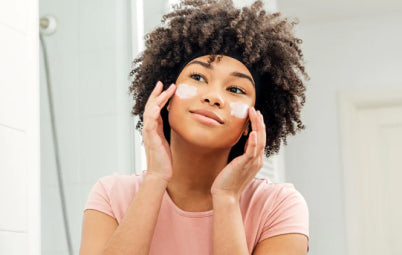



If you have ever experienced the sudden, heat-filled flush of a rosacea flare-up, you know it is more than just "redness." It is the stinging sensation when you apply a moisturiser that should be "gentle," the frustration of covering visible blood vessels with heavy make-up, and the emotional toll of feeling like your skin is constantly reacting to the world around you.

At Face Dr, we speak to clients every day who have spent hundreds of pounds on high-street products, only to find their skin remains reactive, dry, and persistently red. The question we are most frequently asked is: "Does it really matter if I buy my skincare from a chemist or a clinical-grade clinic?"
When it comes to a complex condition like rosacea, the answer is a resounding yes. In this guide, we will break down the fundamental differences between clinical-grade and high-street skincare, explain why your current routine might be falling short, and help you understand how to choose the right path for your skin's health.
Understanding Rosacea: Why Your Skin is So Reactive
Before we compare products, it is important to understand what we are treating. Rosacea is a chronic inflammatory skin condition. While its exact cause is still being researched, we know it involves a combination of genetics, an overactive immune system, and environmental triggers.
For those with rosacea, the skin barrier is often compromised. This means that while healthy skin acts like a sealed brick wall, rosacea-prone skin is more like a wall with gaps. Irritants get in more easily, and moisture escapes, leading to that characteristic stinging and dryness.
Common symptoms include:
- Persistent facial redness (erythema)
- Visible blood vessels (telangiectasia)
- Small, red, pus-filled bumps (papulopustular rosacea)
- Burning or stinging sensations
- Eye irritation or "grittiness"
Because the skin is already in a state of "high alert," choosing the wrong product isn't just ineffective: it can actually trigger a flare-up that takes weeks to calm down.
High Street vs. Clinical-Grade: What is the Difference?
The term "medical-grade" or "clinical-grade" isn't just marketing: it refers to the concentration of active ingredients, the quality of those ingredients, and how they are delivered into your skin.
1. Concentration of Active Ingredients
High-street products are formulated for the "mass market." Because these brands have no control over who buys them, they must ensure the products are safe for almost anyone to use without supervision. Consequently, the concentration of active ingredients: the stuff that actually changes your skin: is typically very low (often around 10% or less).
Clinical-grade skincare, such as the ranges we provide at Face Dr, contains much higher concentrations of actives (often up to 99% purity). These formulations are designed to be "pharmaceutical-grade," meaning they are potent enough to require a professional recommendation to ensure they are used correctly.
2. Delivery Systems (Depth of Penetration)
This is where clinical skincare truly shines. High-street creams often contain "fillers" and large molecules that sit on the surface of the skin. While this might make your skin feel temporarily soft, it does nothing to address the inflammation happening deeper down.
Clinical brands use advanced delivery systems: essentially tiny "vehicles": that carry active ingredients through the skin barrier to the deeper layers where they can actually regulate redness and repair the skin's foundation.
3. Regulation and Research
High-street brands often rely on "consumer trials" (e.g., "90% of 50 women agreed their skin felt softer"). Clinical-grade brands like ZO Skin Health and Obagi invest heavily in clinical research and peer-reviewed studies to prove that their products actually reduce redness and improve skin barrier function at a cellular level.
Key Ingredients to Look For (And What to Avoid)
When you are scanning an ingredient list, look for these "hero" ingredients that we frequently recommend to our rosacea clients:
- Azelaic Acid: Best for: Reducing bumps and redness. This is a powerhouse for rosacea. It is anti-inflammatory and antimicrobial, helping to clear the acne-like bumps associated with papulopustular rosacea. While high-street versions exist at 10%, clinical-grade formulations are often more stable and effective.
- Niacinamide (Vitamin B3): Best for: Barrier repair. It helps to strengthen the skin's natural moisture barrier, making it less reactive to external triggers.
- Ceramides: Best for: Hydration. These are essential lipids that help "plug the gaps" in your skin barrier, preventing moisture loss.
- Botanical Calmers: Ingredients like green tea extract, liquorice root, and oat derivatives are excellent for immediate soothing.
What to Avoid:
If you have rosacea, avoid high-street products containing high levels of alcohol (ethanol/isopropyl), fragrance, menthol, or harsh physical scrubs. These are common triggers that can cause immediate flushing.
Recommended Clinical Solutions for Rosacea
We have curated a selection of professional-strength products that consistently deliver results for our clients struggling with redness and sensitivity.

ZO Skin Health: The Gold Standard for Redness
We often recommend ZO Skin Health for rosacea because of their focus on "Skin Health Restoration." Their products don't just "mask" redness; they work to calm the underlying inflammation.
For clients dealing with persistent flushing and sensitivity, the ZO Skin Health Redness Relief range is particularly worth knowing about. This range utilises high concentrations of niacinamide and calming botanical extracts to provide both immediate comfort and long-term redness reduction, making it a strong option for skin that needs ongoing support.
- ZO Skin Health Rozatrol®: This is a daily treatment specifically engineered for red, sensitised skin. It helps to reduce excess surface oil (a common trigger) and provides enzymatic exfoliation to improve skin texture without irritation.
- ZO Skin Health Redness Relief Kit: This curated kit is designed to support reactive, redness-prone skin with a more complete routine. It is a helpful option if you want a coordinated approach that soothes irritation while supporting barrier repair over time.
- ZO Skin Health Calming Toner: Unlike high-street toners that can be "stripping," this pH-balancer is designed to soothe and hydrate.

Micro-Summary: The ZO Calming Toner uses a unique blend of conditioners and hydrators to balance the skin's pH, which is crucial for maintaining a healthy barrier in rosacea-prone skin.
Why a Personalised Consultation is Essential
The biggest risk with choosing rosacea skincare: especially clinical-grade products: is that what works for one person may not work for you. Rosacea is highly individual. Some people have "dry" rosacea, while others have "oily" rosacea with breakouts.
This is why we do things differently at Face Dr. You cannot simply "add to cart" these high-potency products without a plan. We believe that great skin starts with a conversation.

When you book a free video skincare consultation with one of our Skin Experts, we take the time to:
- Analyze your skin: We look at your specific symptoms and triggers.
- Audit your current routine: We identify which high-street products might be secretly making your redness worse.
- Build a bespoke plan: We select the exact clinical-grade products your skin needs, and more importantly, we teach you how to use them.
- Provide ongoing support: Your skin changes, and so should your routine. Our experts are here to adjust your plan as your redness calms down.
The Verdict: Clinical or High Street?
While high-street products can be useful for very mild maintenance or gentle cleansing, they often lack the "horsepower" needed to truly manage a chronic condition like rosacea. Clinical-grade skincare offers:
- Higher potency for real results.
- Better penetration to reach the source of inflammation.
- Expert guidance to ensure you aren't wasting money on products that don't suit you.
If you are tired of the "trial and error" cycle at the chemist and are ready for skin that feels calm, clear, and comfortable, we are here to help.
Ready to start your journey to calmer skin?
Book your free video consultation with a Face Dr Skin Expert today.
At Face Dr, we believe that professional, clinical-grade results should be accessible to everyone. Our mission is to provide you with the expert support and pharmaceutical-strength products you need to feel confident in your skin every single day.


